

Are you tired of feeling drained and sluggish? Can a simple shift in your daily habits really boost your energy levels? The answer lies in embracing a sustainable high energy lifestyle, which not only enhances your personal vitality but also contributes to a healthier environment.
By incorporating eco-friendly practices into your daily routine, you can significantly improve your overall well-being. From nutrition to movement, making conscious choices can have a profound impact on your energy levels. In this article, we’ll explore practical tips and tricks to help you adopt a more eco-friendly living approach.
Key Takeaways
- Simple changes can significantly boost your energy levels.
- Eco-friendly nutrition plays a crucial role in a sustainable lifestyle.
- Low-carbon movement can enhance your overall vitality.
- Adopting a sustainable lifestyle contributes to a healthier environment.
- Practical tips and tricks can make a significant difference.
Understanding the Sustainable High Energy Lifestyle
Living a sustainable high energy lifestyle means adopting practices that boost your energy while supporting the health of the Earth. It’s about creating a balance between personal vitality and environmental sustainability.
This balance is crucial in today’s world, where the way we live significantly impacts the planet. By making conscious choices, individuals can contribute to a healthier environment while enhancing their own well-being.
What Does Sustainable High Energy Living Mean?
Sustainable high energy living involves making healthy living choices that not only increase your personal energy levels but also promote clean energy practices. It’s about being mindful of your daily habits and their impact on the environment.
For instance, choosing to walk or bike for short commutes, using public transport, or driving electric vehicles are all part of sustainable high energy living. Similarly, at home, using energy-efficient appliances and turning off lights when not in use can make a significant difference.
| Practice | Personal Benefit | Environmental Benefit |
|---|---|---|
| Using Public Transport or Cycling | Increased physical activity and reduced stress | Reduced carbon emissions and air pollution |
| Energy-Efficient Appliances | Lower utility bills | Less energy consumption |
| Eating Plant-Based Diets | Improved health and vitality | Reduced greenhouse gas emissions from agriculture |
Why Personal Vitality and Environmental Health Go Hand in Hand
There’s a significant link between personal vitality and environmental health. When you adopt clean energy practices and make healthy living choices, you’re not only improving your own health but also contributing to a more sustainable environment.
For example, reducing pollution by using eco-friendly products or minimizing waste can lead to cleaner air and water, which in turn benefits your health and the health of the planet.
Power Your Body with Eco-Friendly Nutrition
Eating green is not just a trend; it’s a lifestyle choice that benefits both you and the Earth. By making conscious food choices, you can boost your energy levels while supporting sustainable agriculture and reducing your carbon footprint.
Shop Local Farmers Markets for Fresh, Seasonal Produce
Visiting local farmers’ markets is a great way to find fresh, seasonal produce while supporting local farmers and reducing transportation emissions. You can also expect to find a variety of fruits and vegetables that are rich in nutrients and flavor.
Benefits of Shopping at Local Farmers Markets:
- Freshness: Produce is picked at the peak of freshness, ensuring it’s nutritious and tastes great.
- Variety: You’ll find a diverse range of fruits and vegetables, including heirloom and organic options.
- Community Support: Your money goes directly to local farmers, supporting the local economy.

Incorporate More Plant-Based Proteins into Your Diet
Plant-based proteins are not only good for your health, but they’re also more environmentally friendly than animal-based proteins. Incorporating more plant-based proteins into your diet can be as simple as trying new recipes or substituting meat with plant-based alternatives in your favorite dishes.
| Plant-Based Protein Sources | Nutritional Benefits |
|---|---|
| Legumes (lentils, chickpeas, black beans) | High in fiber, protein, and various vitamins and minerals. |
| Nuts and Seeds | Rich in healthy fats, protein, and antioxidants. |
| Tofu and Tempeh | Excellent sources of protein and can be rich in probiotics. |
Batch Cook and Store Food Properly to Minimize Waste
Batch cooking and proper food storage are effective strategies for minimizing food waste. By cooking in bulk, you can save time and ensure that you’re using up all the ingredients you buy. Proper storage techniques, such as using airtight containers and keeping your fridge organized, can also help extend the shelf life of your food.
Tips for Effective Batch Cooking:
- Plan your meals in advance to ensure you’re using similar ingredients.
- Use a slow cooker or instant pot for easy, hands-off cooking.
- Portion out your cooked meals into individual servings for convenience.
Stay Hydrated with Reusable Water Bottles and Filtration Systems
Staying hydrated is crucial for maintaining energy levels, and using reusable water bottles is a simple way to reduce plastic waste. Consider investing in a water filtration system to ensure your drinking water is clean and free of contaminants.
Benefits of Reusable Water Bottles:
- Reduces single-use plastic waste.
- Can be more cost-effective in the long run.
- Keeps your drinks hot or cold for hours.
Energize Through Low-Carbon Movement and Exercise
Incorporating low-carbon movement into our daily routine is a practical way to boost our energy levels while contributing to environmental health. By making conscious choices about how we exercise, we can significantly reduce our carbon footprint and enhance our overall well-being.
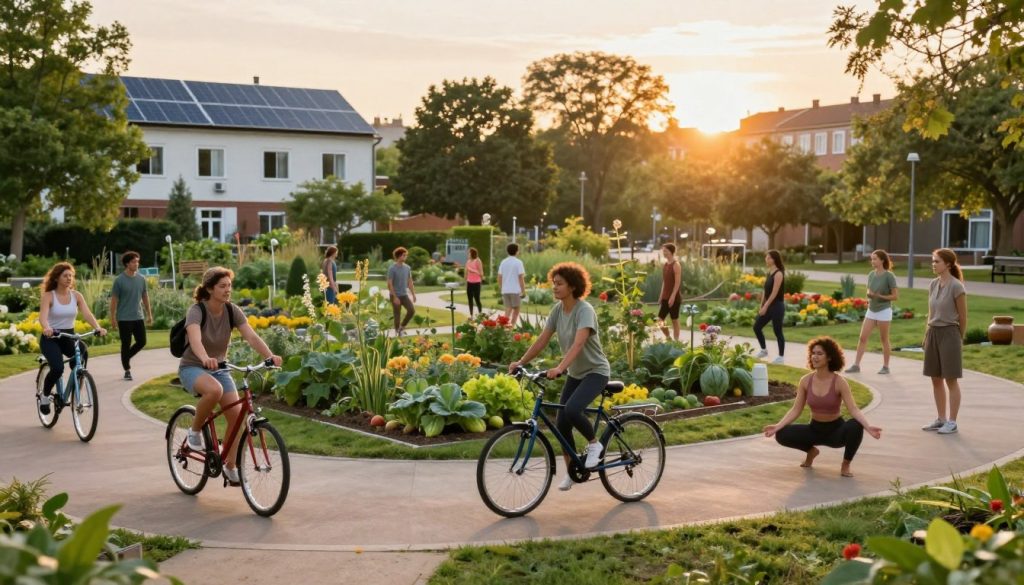
Bike or Walk for Short Commutes and Errands
One of the simplest ways to reduce our reliance on fossil fuels is by biking or walking for short commutes and errands. Not only does this reduce air pollution, but it also provides an opportunity for physical activity. As the saying goes, “Exercise is a celebration of what your body can do, not a punishment for what you ate.“
By incorporating biking or walking into our daily routine, we can improve our cardiovascular health, boost our mood, and contribute to a cleaner environment. For instance, a study found that cycling to work can reduce the risk of heart disease and certain cancers.
Tips for biking or walking:
- Plan your route in advance to ensure it’s safe and enjoyable.
- Invest in appropriate gear, such as a good quality bike or comfortable walking shoes.
- Be visible to traffic by wearing bright or reflective clothing.
Exercise Outdoors in Local Parks and Nature Areas
Exercising outdoors in local parks and nature areas not only provides a change of scenery but also connects us with nature. As Richard Louv once said, “
Nature-deficit disorder is a growing problem, and our children are paying the price.
” Exercising outdoors can help combat this issue while improving our physical and mental health.
Outdoor activities such as jogging, yoga, or simply walking can be done in local parks. These activities not only reduce our carbon footprint by eliminating the need for gym equipment or travel but also offer a serene environment that can enhance our mental well-being.
Try Bodyweight Workouts at Home Without Equipment
For days when going outdoors isn’t feasible, bodyweight workouts at home are a great alternative. These workouts can be just as effective as gym workouts without the need for any equipment, thus reducing our carbon footprint further.
Examples of bodyweight exercises include push-ups, squats, lunges, and planks. These exercises can be modified to suit different fitness levels and can be done in the comfort of our own homes, eliminating the need for travel.
Sample Bodyweight Workout Routine:
- Warm-up: 5 minutes of light cardio
- Push-ups: 3 sets of 10 reps
- Squats: 3 sets of 15 reps
- Plank: 3 sets, holding for 30 seconds each
- Cool-down: 5 minutes of stretching
Transform Your Home into an Energy-Efficient Haven
As we strive for a sustainable high energy lifestyle, one of the most impactful changes we can make is transforming our homes into energy-efficient havens. This not only reduces our environmental footprint but also enhances our living comfort and saves on utility bills.
Replace Traditional Bulbs with LED Lighting Throughout Your Home
One of the simplest and most effective ways to make your home more energy-efficient is by switching to LED lighting. LEDs use significantly less energy than traditional bulbs and last much longer, reducing the need for frequent replacements. According to the U.S. Department of Energy, widespread use of LED lighting in the United States could save up to 340 TWh of electricity by 2035, equivalent to the annual output of about 44 large power plants.
LED lighting is not just energy-efficient; it also offers better light quality and design flexibility. You can find LEDs in a variety of colors and dimmabilities, making them suitable for any room in your home.

Install a Programmable Thermostat to Reduce Heating and Cooling Costs
Heating and cooling account for a significant portion of home energy consumption. Installing a programmable thermostat allows you to automate your heating and cooling systems, ensuring they’re not wasting energy when you’re not home or when you’re sleeping. This simple device can lead to substantial savings on your energy bills.
“A programmable thermostat can save you around $150 per year on energy bills, and with smart thermostats, the savings can be even greater due to their advanced learning capabilities.”
Unplug Electronics and Use Smart Power Strips to Eliminate Phantom Power
Many electronics continue to draw power even when turned off, a phenomenon known as phantom power or standby power. Unplugging these devices when not in use or using smart power strips can eliminate this unnecessary energy consumption. Smart power strips can automatically cut power to devices that are not in use, making it easier to manage your home’s energy efficiency.
Upgrade to Energy Star Certified Appliances When Replacing Old Ones
When it’s time to replace your appliances, look for models that are Energy Star certified. These appliances meet energy efficiency standards set by the U.S. Environmental Protection Agency, ensuring they use less energy and water than their non-certified counterparts. Upgrading to energy-efficient appliances not only reduces your energy consumption but also helps protect the environment.
Build Daily Habits That Support Your Sustainable High Energy Lifestyle
To truly embody a sustainable high energy lifestyle, it’s essential to build habits that support it daily. By incorporating simple, eco-friendly practices into your routine, you can maintain your energy levels while contributing to a healthier planet.
Establish a Consistent Sleep Schedule for Optimal Recovery
A consistent sleep schedule is vital for optimal recovery and maintaining high energy levels. Going to bed and waking up at the same time daily helps regulate your body’s internal clock, improving the quality of your sleep. This habit is crucial for overall well-being and supports a sustainable lifestyle by reducing the need for energy-consuming stimulants like caffeine.
- Set a bedtime reminder to establish a consistent sleep schedule.
- Avoid screens for at least an hour before bedtime to improve sleep quality.
- Create a bedtime routine that signals your body that it’s time to sleep.
Practice Mindful Purchasing to Reduce Consumption
Mindful purchasing is a powerful habit that can significantly reduce your environmental footprint. By being more intentional with your buying habits, you can decrease waste and support sustainable production practices. Consider the lifecycle of a product before purchasing, and opt for items that are durable, repairable, and made from sustainable materials.
“The greatest threat to our planet is the belief that someone else will save it.” – Robert Swan
This mindset encourages us to take personal responsibility for our consumption habits, fostering a more sustainable lifestyle.
Switch to a Green Energy Provider or Install Solar Panels
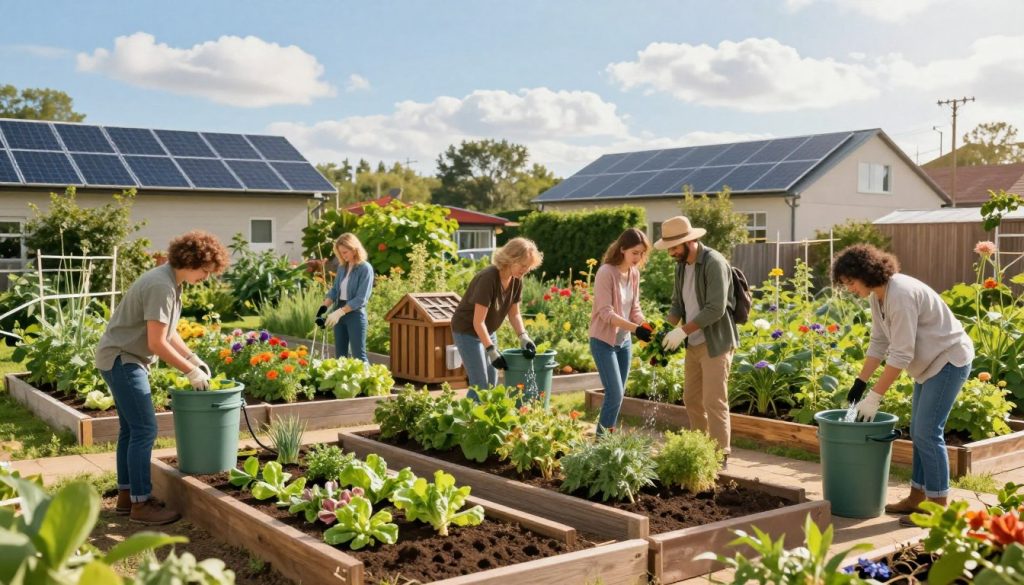
Transitioning to green energy is a significant step towards a more sustainable lifestyle. Consider switching to a green energy provider or installing solar panels on your property. These alternatives to traditional fossil fuels can drastically reduce your carbon footprint, contributing to a cleaner environment and supporting a high energy lifestyle through renewable energy sources.
- Research local green energy providers and compare their offerings.
- Assess your home’s suitability for solar panel installation.
- Consult with a professional to determine the best renewable energy solution for your needs.
Connect with Like-Minded People Through Local Sustainability Groups
Connecting with others who share your commitment to sustainability can be incredibly motivating. Joining local sustainability groups or attending eco-friendly events can provide valuable opportunities to learn new practices, share your own experiences, and collaborate on community projects. This social support network can help reinforce your daily habits and inspire further action towards a sustainable high energy lifestyle.
By incorporating these habits into your daily routine, you can enhance your sustainable living practices and maintain a high level of personal energy. Every small change counts, and collectively, these habits can make a significant positive impact on the environment.
Conclusion
As we have explored, adopting a sustainable high energy lifestyle is a multifaceted journey that encompasses various aspects of daily life, from nutrition and exercise to home energy efficiency and daily habits. By integrating eco-friendly nutrition, low-carbon movement, and energy-efficient home practices, individuals can significantly enhance their personal vitality while contributing to a healthier planet.
Every small change counts, and collectively, these changes can lead to a more sustainable and energetic way of living. By making conscious choices and building daily habits that support a sustainable high energy lifestyle, we can create a positive impact on our well-being and the environment.
As you continue on your path to a more sustainable and energetic lifestyle, remember that consistency and patience are key. With persistence and dedication, you can achieve a balanced and vibrant life that benefits both you and the planet.